
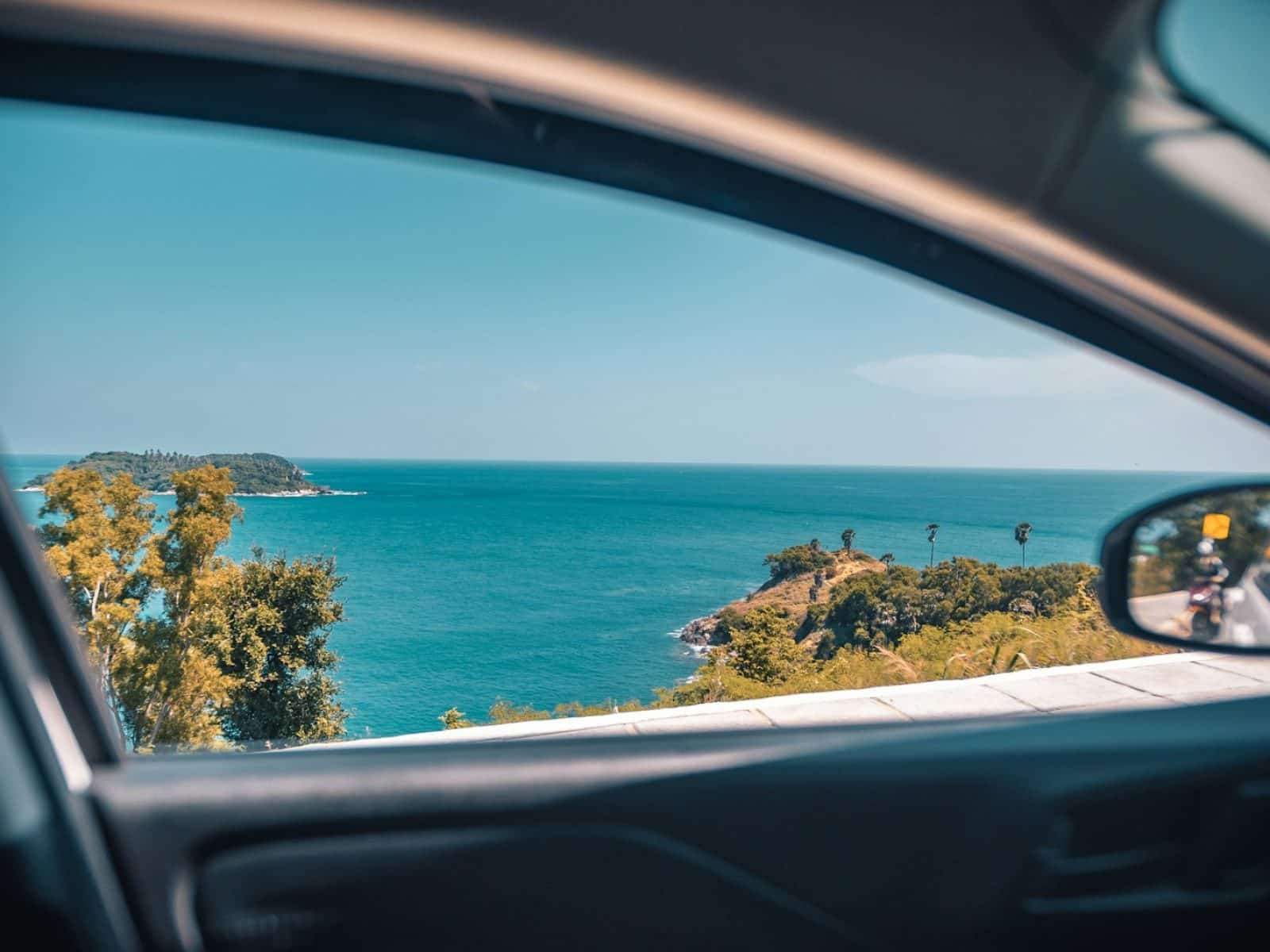

Summer travel can be amazing, but it is also the season when small mistakes can turn into big headaches very quickly.
Flights are full. Airports are crowded. Roads are packed. Hotels are busy. Weather delays stack up fast. And in many destinations, everyone is trying to do the same thing at the same time.
The biggest summer travel mistake is planning the trip as if everything will go right. The smarter move is to build a trip that still works when something goes wrong.
Here are five summer travel mistakes I’d avoid.
1. Booking the “Prettiest” Itinerary Instead of the Most Survivable One
Don’t book the itinerary that looks best on paper. Book the one that gives you the best chance of actually getting there.
People often pick the cheapest flight, the shortest connection, or the itinerary with the least amount of total travel time. In summer, that can backfire fast.
A 38-minute connection through a thunderstorm-prone airport may look great online, but one delay can ruin the whole day. The same goes for arriving late at night, when there are fewer backup flights, fewer rental cars, and fewer hotel staff available if something goes wrong.
When you’re comparing options, look beyond the price. Ask yourself: What happens if this flight is delayed? Is there another flight later? Am I connecting through a busy airport during summer storm season? Am I arriving so late that any problem becomes an overnight problem?
The best itinerary is not always the prettiest one. It is the one with the most room to recover.
2. Assuming Your Phone Will Save You
Your phone is a great travel tool, but it should not be your only travel plan.
Everything is on our phones now: boarding passes, hotel confirmations, train tickets, rental car reservations, event tickets, maps, payment apps, and travel alerts. That works beautifully until it doesn’t.
In crowded summer destinations, cell service can slow down or disappear. Batteries drain faster in the heat. Apps crash. Wi-Fi gets overloaded. And, of course, the moment you really need something is usually the moment it refuses to load.
Before you leave, screenshot anything important. Save offline maps. Carry a battery pack and a backup cord. And keep at least one physical credit card or debit card with you in case mobile payments are not working.
Your phone should make travel easier, not become the one thing your entire trip depends on.
3. Not Planning for the “Last Mile”
The trip does not end when the plane lands or the train arrives. It ends when you are actually at the hotel, cruise terminal, rental house, or event.
A lot of travelers plan the flight, the cruise, the hotel, or the train, but forget about the final 20 minutes of the trip. That is where summer travel gets messy.
After fireworks, concerts, festivals, cruise embarkation, beach weekends, and sporting events, rideshare prices surge, taxis disappear, parking lots gridlock, and pickup zones move. Sometimes the place where you planned to get picked up is not even accessible by the time you need it.
Before you go, know where you are being dropped off, where you are being picked up, and what your backup plan is if rideshare prices triple or the pickup area changes.
That might mean pre-booking a transfer, choosing a hotel you can walk to, using public transportation, or having a backup taxi company saved in your phone. The last mile matters, especially in summer.
4. Trusting “Near” in a Hotel Description
“Near” is a marketing word. The map tells the truth.
Hotel descriptions love phrases like “near the beach,” “minutes from downtown,” “close to the airport,” or “conveniently located.” Those phrases can mean almost anything.
In summer traffic, “10 minutes away” can become 35 minutes very quickly. That matters if you are traveling for a cruise, theme park, wedding, sporting event, concert, or a major July Fourth celebration.
Before you book, open the map. Check the actual distance. Look at drive times during the time of day you will really be traveling. A hotel that seems convenient at 10 p.m. on a Tuesday may not be convenient at 8 a.m. on a holiday weekend.
Also pay attention to what “near” means for your specific trip. Near the airport may not help if you are spending all weekend at the beach. Near downtown may not help if the roads around downtown are closed for an event.
Location can make or break a summer trip.
5. Treating Summer Weather Like a Packing Issue Instead of a Scheduling Issue
Summer weather does not just affect what you wear. It affects when you should do things.
Most people think summer weather means packing sunscreen, a hat, sunglasses, and a water bottle. That is important, but heat and storms should also change how you schedule your trip.
Book outdoor activities earlier in the day when temperatures are usually more manageable. Avoid putting your most expensive excursion on the final afternoon of the trip, especially in places where storms commonly build later in the day. Don’t schedule tight evening plans after a day when weather delays are likely.
This applies to flights too. Summer thunderstorms can create a domino effect across the entire airline system. An early flight gives you more recovery options. A late flight gives you fewer.
For theme parks, tours, cruises, beach trips, and city sightseeing, build your schedule around the weather, not just your wish list.
The Bottom Line
Summer travel is not about planning a perfect trip. It is about planning a trip that can survive crowds, heat, delays, traffic, and unexpected changes.
Give yourself more time than you think you need. Build in backup options. Do not rely on one app, one flight, one transfer, or one perfect plan.
The travelers who have the best summer trips are not always the ones who found the cheapest deal or the shortest itinerary. They are the ones who planned for reality.