

Facing the Sea of Cortez in Baja California Sur lies a dusty little haven for Mexican history known as Mulege. First founded in 1705, the Mission of Santa Rosalia held the victory of the Mexican Army over the Americans. Dealing the Americans the unexpected blow in the War of Intervention in 1847 earned the town the name “Heroic Mulege.” Museum exhibitions and cultural town roots accompany the Spanish missions left over from the past. You can visit Concepcion Bay for beaches, diving, and fishing. But maybe the most remarkable feature Mulege boasts are ancient Mexican paintings transporting you back 7,500 years.
The Painted Cave of San Borjitas
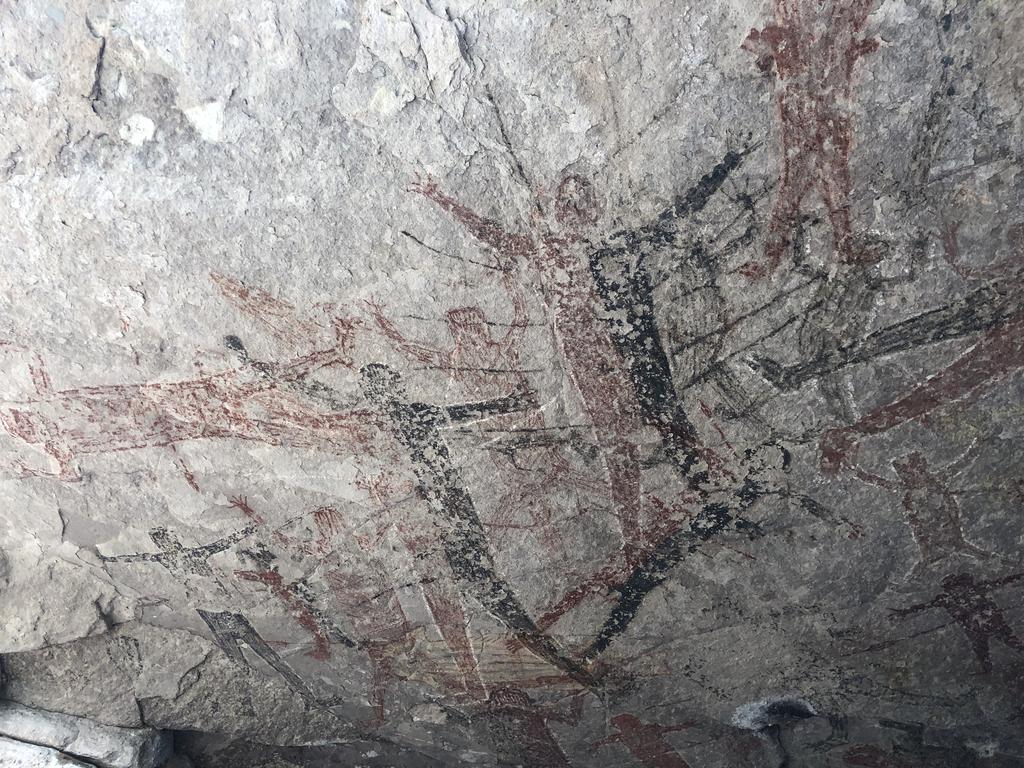
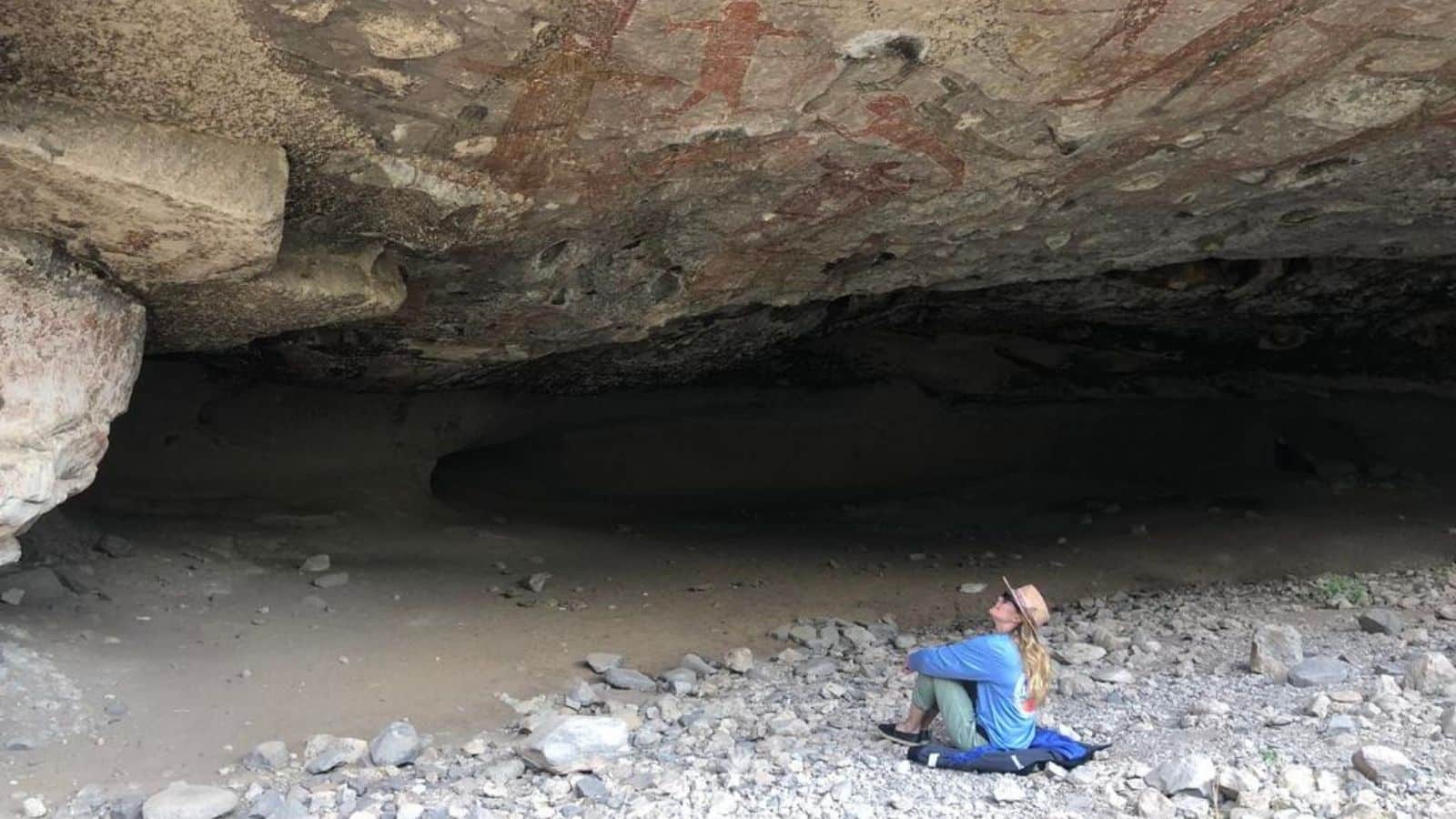
A 20-mile drive up the mountains and a small fee for a guide are all that separate you from history. The most interesting of Baja, California’s countless painted caves waits for you to join the multitude of visitors every year. Modern documentation of the cave dates back to the research done by Léon Diguet in the 1890s. He was working out of Santa Rosalia, where he worked as a chemist by the French copper mining company, Boleo. Interestingly, the cave ceiling contains primarily human figures, many pierced by arrows. Experts dated the cave art to 7,500 years ago and call it the oldest on the continent.
Using Ancient Mexican Cave Paintings to Learn About the People
Historically, cave paintings illustrate the human need to communicate. This communication takes its form in leaving a mark for the future- to help guide or share something so important that it needs a permanent representation. Because arrows pierce many of the people depicted, the painting indicates a great battle. This colossal panel is over 50 feet long and 15-20 feet above the cave floor. At least 95 figures grace the ancient rock. Around 70 are men, women, children, and what archeologists call ‘scarecrows.’ These are faceless humanoids covered with basket masks or even alien in origin. The people depicted on the walls were warriors, family-oriented, and faithful. So the people of 7,500 years ago were similar to us today, making the ancient world feel just a little less out of reach.