

WalletHub released its report on 2019’s Best Frequent Flyer Program, which ranks the 10 largest domestic airlines based on 23 metrics, ranging from the value of a point/mile to blackout dates for rewards flights.
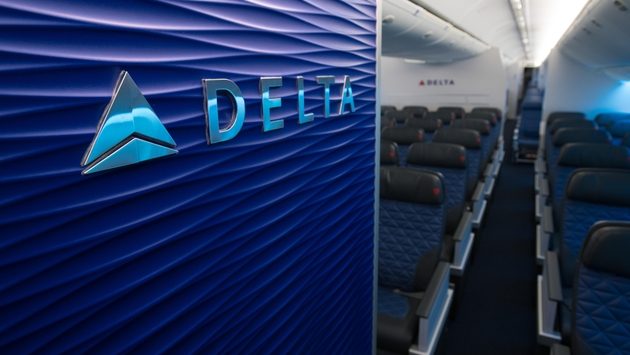
The survey revealed the top five programs, and Delta SkyMiles came out as the frontrunner for the fourth year in a row.
United Airlines’ MileagePlus was the second on the list and TrueBlue from JetBlue Airways was third. Southwest Airlines’ Rapid Rewards program and HawaiianMiles from Hawaiian Airlines were number four and five, respectively.
The survey found that the average airline rewards program gives frequent flyers up to 12 percent off their airline spending, and they are all free to join.
According to the survey, Hawaiian Airlines offers the most rewards value, $21.29 per $100 spent. Alaska Airlines comes in second, offering $18.12 per $100 spent.
Experts highlight that rewards programs are beneficial to both consumers and to airlines but not in equal measure. So it’s important for consumers to be aware of what their loyalty means.
MORE Airlines & Airports
“I think both the companies and consumers benefit from loyalty programs, although some customers benefit more than others,” said Charles R. Taylor, John A. Murphy Professor of Marketing at Villanova School of Business. “Most consumers are not in a position to reap significant benefits if they fly more than one airline so the companies are able to put up a disincentive against flying with the competition. So many do become loyal to a single airline.”
Developing loyalty is a key driver for airlines’ bottom lines.
“Beyond price (which the large carriers don’t want to rely on) and the inherent advantage a carrier has in its hub cities due to offering more direct flights, these loyalty programs are the only other major factor driving consumer choice of airline regularly,” said Taylor.
There are many advantages for customers who belong to airline loyalty programs.
“For consumers, and especially those who reach elite status levels, the benefits of the loyalty programs are very real,” said Taylor.
“While it can be difficult (and probably more difficult than it should be) in some programs to redeem free flights, consumers willing to be flexible in the time of the reward flights will generally come out okay. For elite flyers, the benefits of shorter check-in lines, free baggage, customer service hotlines and occasional or frequent complimentary upgrades are very real.”

For travelers who would like to figure out which airline offers them the best perks, WalletHub has a calculator that will help them figure out which program best aligns with their needs.
The WalletHub survey also provided overall insight into the various rewards programs, including that only three of the 10 largest airlines are offering more rewards value in 2019 than in 2018, sweetening the pot by an average of 13 percent.
For infrequent loyalty customers, JetBlue and Delta may provide the best incentives. They are the only two major airlines whose miles do not expire because of inactivity.
Blackout dates are becoming less prominent. Eight of the 10 largest airlines do not have blackout dates for tickets purchased with miles.
For those who didn’t receive miles for a specific flight, not all airlines will retroactively credit them. WalletHub found that five of 10 major U.S. airlines will retroactively credit loyalty program members with miles for a flight up to 12 months after the fact.
Travelers who fly with different airlines will want to seek out a loyalty program that allows them to use miles on more than just their airline and WalletHub found that seven of the 10 largest U.S. airlines allow rewards program members to earn and redeem miles with partner carriers.
It also found that it’s not worth it to purchase miles. Airline miles cost an average of 61 percent more than they’re worth when purchased rather than earned.


