

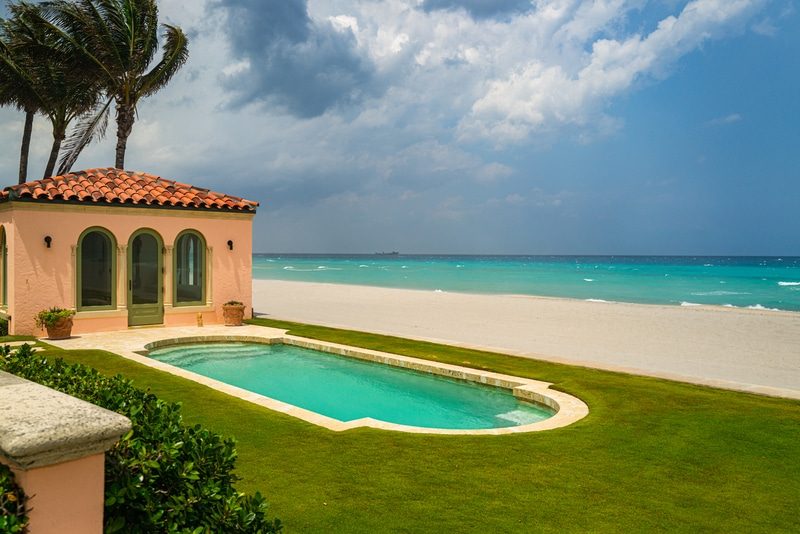
Owning a coastal vacation home is a dream for many, offering a serene escape with stunning views and the soothing sound of waves. However, this dream comes with its own set of considerations that potential owners should be aware of before taking the plunge. From selecting the perfect location to managing the unique maintenance challenges and understanding the insurance implications, owning a beachfront property is a significant commitment. We will delve into essential aspects of owning a coastal vacation home, providing valuable insights for those looking to invest in their slice of paradise.
Picking a Great Location
The allure of a coastal vacation home starts with its location. A great location not only enhances the enjoyment of the property but also affects its long-term value and rental potential. When selecting a location, consider the proximity to the beach, local amenities, and the area’s susceptibility to natural disasters. A property that offers easy access to the beach, restaurants, and entertainment will be more appealing for personal use and as a rental. Additionally, researching the area’s history of hurricanes, floods, or erosion can prevent future surprises and ensure the property’s lasting appeal and security.
Preventing Water Damage
One of the critical challenges of owning a coastal home is preventing water damage. The proximity to the ocean increases the risk of damage from storms and flooding, while the salty air can accelerate corrosion and wear on the property. Effective maintenance and preventative measures are essential to protect your investment. Humidity needs to be below 50% to prevent mold in your home, which is particularly important in coastal climates where humidity levels can soar. Installing dehumidifiers, ensuring proper ventilation, and using materials resistant to moisture and salt in the construction and furnishing of your home can mitigate these risks. Regular inspections and maintenance of the roof, windows, and doors are also crucial to prevent leaks and water intrusion.
Insurance Costs
Insurance is another critical consideration for coastal vacation home owners. Properties in coastal areas typically face higher insurance premiums due to the increased risk of natural disasters such as hurricanes and floods. It’s essential to understand the types of coverage needed for a coastal property, which may include standard homeowner’s insurance, flood insurance, and possibly windstorm insurance. Shopping around and consulting with insurance professionals who specialize in coastal properties can help you find the best coverage options at the most reasonable rates. Additionally, taking steps to protect your home from potential damage, such as installing storm shutters or reinforcing the roof, can sometimes lead to lower insurance premiums.
Owning a coastal vacation home is an exciting prospect that offers countless rewards, from breathtaking views to a potential income stream through rentals. However, it’s accompanied by unique challenges and responsibilities. By carefully selecting the location, taking proactive measures to prevent water damage, and understanding the insurance landscape, prospective owners can ensure their coastal retreat remains a source of joy and relaxation for years to come. With the right preparation and knowledge, the dream of owning a coastal vacation home can become a rewarding reality, offering an unparalleled lifestyle and investment opportunity.
Did you enjoy reading this article? Here’s more to read: Relaxing Activities You Can Do on a Beach Vacation