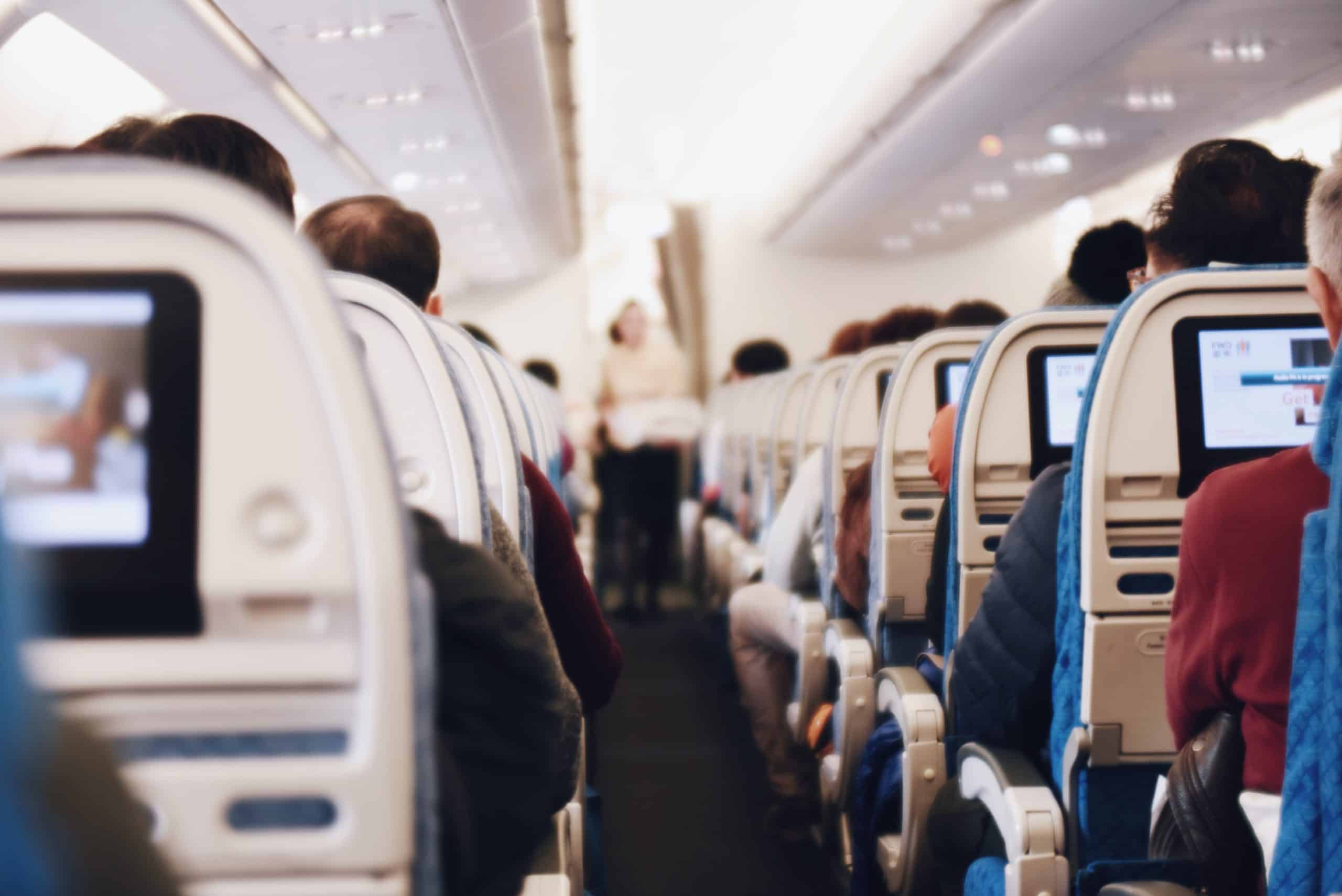
A new study contains some reassuring information for travelers about the quality of air aboard planes.
Georgia Tech’s monitoring couldn’t identify the type of particles, so the results are not a direct measure of the risk of exposure to COVID-19. But researchers say the study, supported by Delta, highlights the importance of improving air quality as a means of reducing transmission of the coronavirus, which is spread through microscopic particles that remain in the air as people breathe, talk or cough.
Delta’s partnership with Georgia Tech is only one example of the ways in which airlines have been working with business, medicine and academia to help enhance the health and safety of passengers. Onboard improvements include electrostatic spraying to disinfect the cabin on all aircraft before departure, and using state-of-the-art high-efficiency (HEPA) filters to circulate air and remove more than 99 percent of airborne particles.
In 2020, United Airlines teamed up with Clorox and medical experts from the Cleveland Clinic to guide the carrier’s cleaning, safety and social distancing protocols. Enhancements include introducing touchless kiosks for baggage check-in at select locations and new boarding procedures designed to minimize crowding. Medical experts continue to provide advice on new technologies, training and quality assurance. As scientists learn more about how to fight COVID-19, the experts will help United use those discoveries quickly to implement new ways to keep passengers and crew safe.
In a similar vein, Delta is working with Lysol and Minnesota’s Mayo Clinic. The clinic’s experts are advising the airline on every aspect of its operation, including testing employees for COVID-19, training for pilots and flight attendants, cleaning protocols and food and beverage service. Last fall at LaGuardia Airport in New York City, a team from Lysol performed a meticulous walk-through of ticket counters, gate areas and baggage claims, observed onboard cleaning procedures and then led group discussions with airline employees, all with the aim of recommending products and protocols.
Like Delta and United, American Airlines is also working with medical experts to enhance cleaning and safety protocols at check-in, in the boarding area and on its planes. In December, the carrier achieved GBAC Star accreditation from the Global Biorisk Advisory Council for its fleet of aircraft and Admirals Club lounges. The accreditation was awarded after a detailed review of the airline’s cleaning, disinfection and prevention program designed to minimize the risk of COVID-19.
For help navigating any travel plans, contact your travel advisor or connect with one through JetSetGO.
La revista Southern Living invita al público a descubrir su Idea House 2026, una espectacular…
Air Canada announced Friday that it will launch new transborder routes in partnership with United…
JetBlue announced Thursday that bookings are open for its new domestic first-class service. BlueFirst is…
Actress Selma Blair was arrested on Sunday after a violent incident aboard a Delta Air…
What is it really like to cruise to the Arctic? Join travel expert and…
**Are some of the world's most popular travel destinations actually overrated?** Before you book your…