


Here’s the truth nobody says out loud: the Greek Islands are not one destination. They’re six or seven wildly different destinations that happen to share a flag and an obsession with olive oil. Santorini is nothing like Corfu. Crete is basically its own country. And Mykonos is a party island that also happens to have some of the most beautiful architecture in the Aegean. If you’re standing in front of a browser tab with seventeen open windows trying to figure out which island to book, take a breath. We’ve been there, and at The Jet Set, we’ve talked to enough well-traveled guests and destination experts to know exactly what separates a dream Greek vacation from an expensive disappointment. Let’s sort it out.
Which Greek Island Is Actually Right for You?
The single best question to ask yourself before booking is this: what do you want to feel on this trip? If the answer is “breathless and romantic,” that points somewhere different than “wild and free,” which points somewhere different than “relaxed with a good book and good food.” The Greek Islands reward self-knowledge. The people who leave disappointed almost always booked the island they’d seen on Instagram rather than the one that matched their actual travel style.
Greece is home to more than 200 inhabited islands scattered across the Aegean and Ionian Seas, each with its own distinct landscape, culture, and personality. That’s an overwhelming number. In practice, most first-time visitors are choosing between five or six major options, plus a few rising alternatives that are absolutely worth knowing about. Here’s what each one actually delivers.
Island-by-Island Breakdown: Personalities, Vibes, and Who Should Go
The table below gives you the fast-track comparison. Detailed breakdowns for each island follow.
| Island | Best For | Vibe | Skip If | Best Season |
|---|---|---|---|---|
| Santorini | Couples, honeymooners, photographers | Dramatic, romantic, volcanic | Budget travelers; beach lovers | May, June, September |
| Mykonos | Nightlife seekers, fashionable travelers, cosmopolitan crowd | Glamorous, high-energy, chic | Families with young kids; budget trips | June, July, September |
| Crete | Families, history buffs, foodies, hikers | Diverse, independent, culturally rich | Those wanting a small-island feel | May–June, September–October |
| Rhodes | History lovers, beach + culture combo seekers | Medieval, warm, sun-soaked | Those avoiding tourist-heavy resorts | May, June, October |
| Corfu | Families, culture seekers, first-time Greece visitors | Lush, Venetian-influenced, elegant | Those wanting classic Cycladic whitewash | May, June, September |
| Paros | All types; ideal sweet-spot pick | Stylish but relaxed, well-connected | Travelers wanting total solitude | June, September |
| Milos | Geology lovers, beach obsessives, off-beat travelers | Dramatic, otherworldly, less crowded | Those needing robust nightlife | June, September |
| Hydra | Quiet luxury seekers, day-trippers from Athens | Car-free, sophisticated, serene | Those who need a car or want beaches | May, June, September–October |
Santorini: The One You’ve Already Seen in Your Dreams
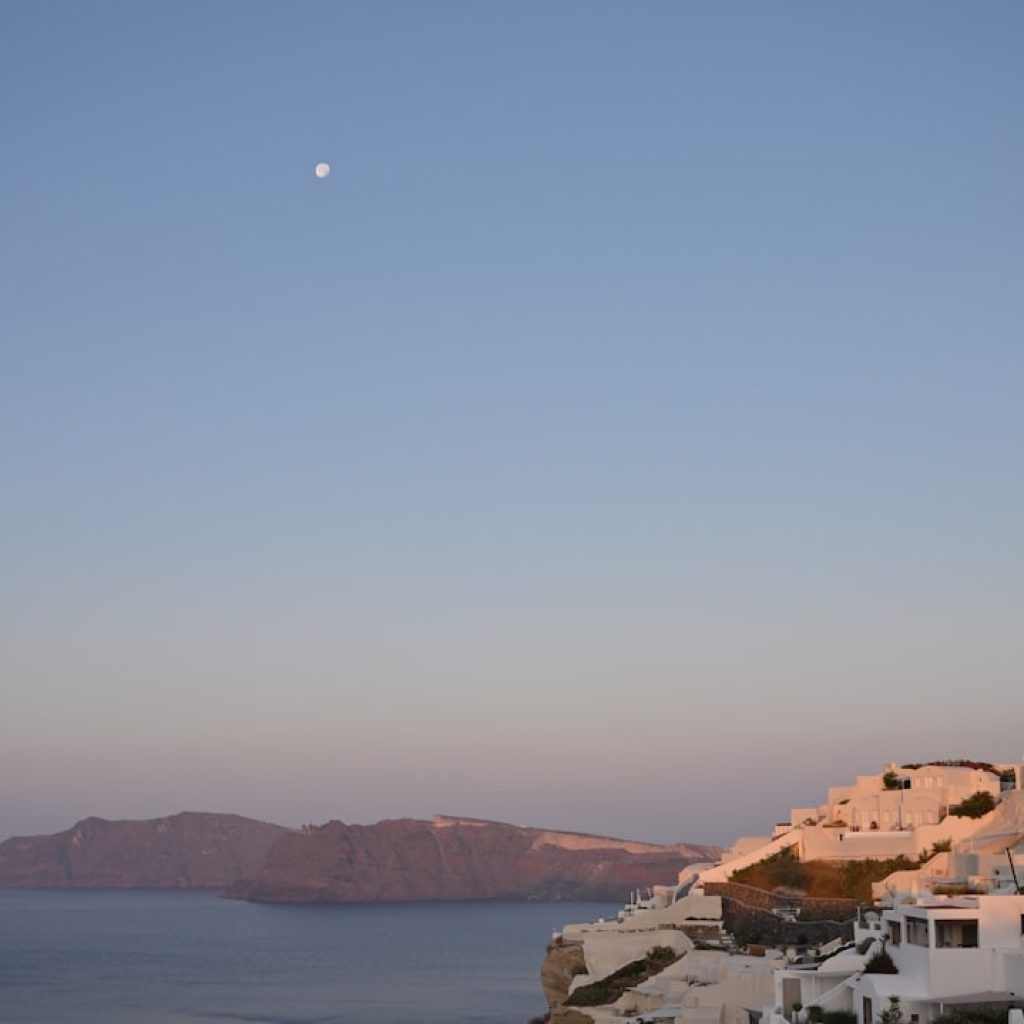
Yes, it’s everything the photos promised. Santorini is still one of the most strikingly beautiful places on the planet, and no amount of overcrowding discourse changes what it feels like to stand on the caldera rim watching the sun sink into the Aegean. The village of Oia, perched on the northern tip of the island, is renowned for its stunning sunsets, whitewashed buildings, and narrow winding streets that offer breathtaking views over the caldera and the Aegean Sea. Fira, the island’s vibrant capital, sits at the heart of Santorini and features a combination of traditional Cycladic architecture and modern facilities, with restaurants on the edge of the cliff.
Here’s the honest caveat: Santorini is primarily a viewpoint island, not a beach island. The beaches are volcanic black or red sand, which is stunning to look at but scorching underfoot in peak summer. Accommodation in the famous caldera-view areas is expensive. For those famous Oia views overlooking the caldera, expect to pay significantly for a quality hotel room in peak season. And in July and August, the narrow streets fill with cruise passengers and tour groups, making it feel genuinely overwhelming in spots.
The insider move: If you go, time your visit for May or September, stay at least three nights, and explore beyond Oia. The village of Pyrgos, about 30 minutes south, has the same narrow alleys and whitewashed buildings but a fraction of the crowds. Book a caldera-facing dinner in Imerovigli, a few steps quieter than Fira, and watch the sunset with a glass of Assyrtiko wine. That is a night you will not forget.
Mykonos: Glamour, Windmills, and Cocktails Until Dawn
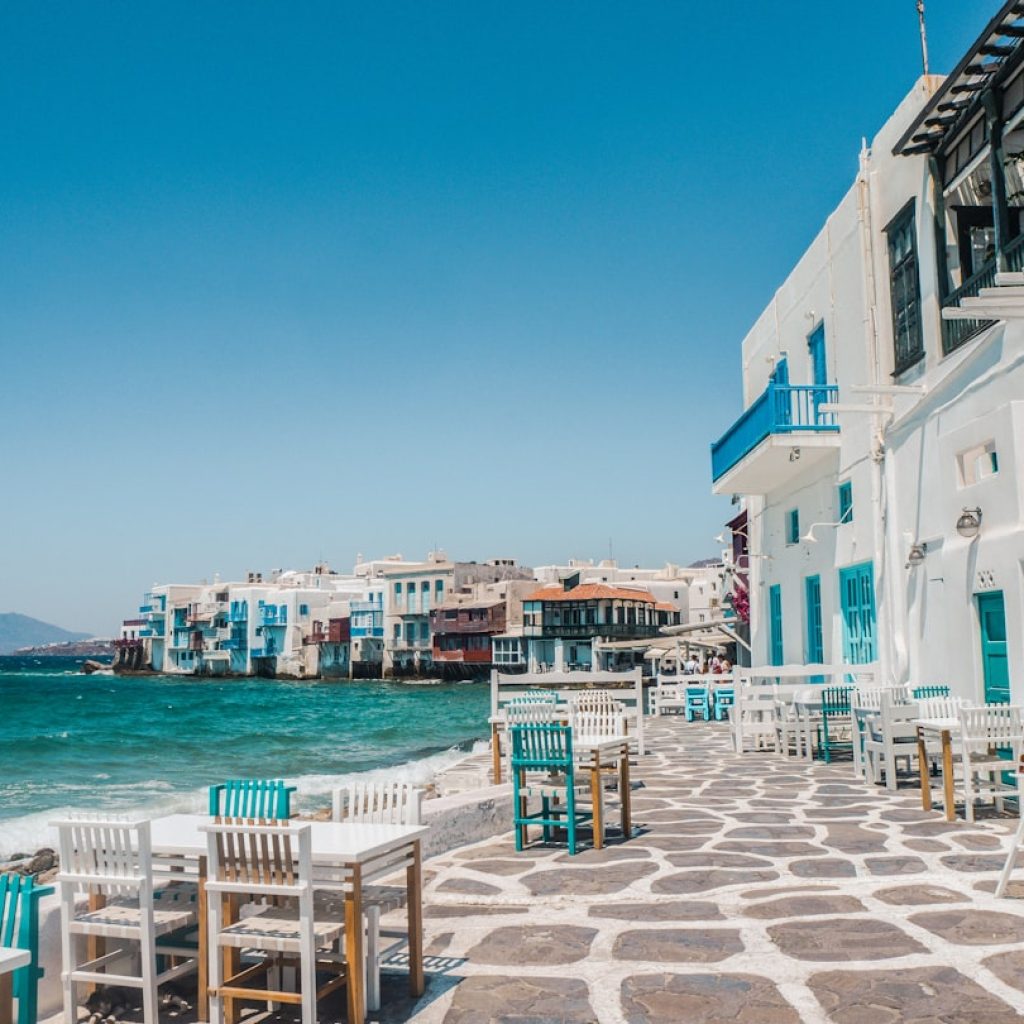
Mykonos is the glamorous, party-loving sibling of the Greek islands. But the reputation sometimes obscures the full picture. Beyond the beach clubs and nightlife, this island has genuine Cycladic charm, iconic windmills, a waterfront neighborhood called Little Venice that rivals anything in Europe, and a labyrinth of whitewashed alleys that were deliberately designed to confuse pirates (and now confuse tourists, which is half the fun).
The windmills are Mykonos’s most iconic landmark. Five 16th-century structures overlook the harbor from a hill, with the Little Venice neighborhood sitting just below, where colorful balconied houses are built directly over the water. The Paraportiani Church, a cluster of five white chapels fused together over centuries, is arguably the most photographed church in all of Greece.
Who should book Mykonos: Couples in their 30s and 40s looking for a stylish, high-energy trip. Groups of friends who want genuinely good nightlife alongside genuinely beautiful scenery. Fashion-forward travelers who want boutique hotels, great restaurants, and a cosmopolitan buzz. Who should probably look elsewhere: families with young children and anyone traveling on a tight budget. Mykonos is priced accordingly for what it delivers.
Crete: Greece’s Largest Island Deserves More Than a Long Weekend
As Greece’s largest island, Crete delivers dramatic mountains, storied mythological sites, and a culture that feels genuinely distinct, even within Greece’s diverse landscape. It’s a place where you can swim in turquoise lagoons one day and wander through Minoan palaces the next. Crete is also known for its food, which epitomizes the Mediterranean diet, and a slow, authentic way of life, particularly in its traditional villages.
The island divides roughly into four regions: Chania in the west is a charming bohemian harbor city with Venetian architecture and some of Crete’s most accessible beaches. The pink-tinted sands of Elafonisi and the shallow, Caribbean-like waters of Balos Lagoon are both in western Crete. Heraklion in the center holds the Palace of Knossos, the best-preserved Minoan site in Europe. And Rethymno, between the two, is arguably the most beautiful town on the island.
For hikers, the Samaria Gorge in the White Mountains of western Crete is one of Europe’s longest and most dramatic hiking routes, stretching over 10 miles from the Omalos Plateau to the seaside village of Agia Roumeli. Key highlights also include the charming old towns of Chania and Rethymno and world-class beaches all around the island. Plan for at least seven days here. Ten is better. Crete rewards every extra day you spend exploring it.
Rhodes: Medieval Streets, Crusader History, and 300 Days of Sun
Rhodes is the star of Greece’s Dodecanese islands, located in the southeast near Turkey, and it packs an almost unfair combination of medieval history and beautiful beaches into one island. The UNESCO-listed medieval city is incredibly well-preserved, complete with a castle, 2.5 miles of stone walls, and a maze of streets that will stop you mid-stride. The Old Town of Rhodes is one of the best-preserved medieval towns in Europe, and UNESCO recognized the architectural complex of the Knights of Rhodes as a World Heritage Site.
Walking the Street of the Knights (Odos Ippoton) from the Palace of the Grand Master to the Archaeological Museum is one of those rare travel experiences that genuinely earns the word historic. The street, lined with impressive buildings that once housed knights from different nations, is one of the best-preserved medieval streets in Europe. It was here, from 1309 to 1523, that the Knights of St. John of Jerusalem held court after losing their stronghold in Palestine.
Rhodes also boasts gorgeous beaches, a lively modern town, and a longer swimming season than most islands. The interior is hilly and rural, while the coast is dotted with resorts, high-rise hotels, and small villages, including the photogenic Lindos with its ancient hilltop acropolis. Its cultural influences span the Greek, Byzantine, Ottoman, and Italian eras, reflected in both its architecture and cuisine.
Corfu: The Greek Island That Looks Like It Belongs in Italy
Unlike the typical whitewashed Cycladic islands, Corfu is lush and green with unique Venetian, French, and British architectural influences. The island combines world-class beaches with Greece’s most elegant UNESCO-listed Old Town. Corfu’s Old Town was inscribed as a UNESCO World Heritage Site in 2007 and represents the Mediterranean’s most complete surviving example of a fortified Venetian port city. Four centuries of Venetian rule shaped an architectural character distinct from anywhere else in Greece. Unlike the rest of Greece, Corfu never fell to Ottoman rule, a fact clearly reflected in its distinctly Italian-influenced architecture.
The Old Town’s narrow kantounia (alleys), pastel-colored buildings, and historic fortresses are a joy to explore. The Spianada esplanade is one of the largest squares in Greece. Locals and visitors gather there for cricket matches, a British tradition still alive in Corfu, and for the evening volta (promenade). Walk twenty minutes in any direction from the Old Town and you’ll find some of the most beautiful beaches in the Mediterranean, including Paleokastritsa with its turquoise bays and Canal d’Amour’s extraordinary rock formations.
Corfu is the ideal choice for first-time visitors to Greece who want history, beaches, and culture without committing to just one. It’s also excellent for families and anyone who appreciates a less frenetic pace than Mykonos or Santorini. The Ionian Islands are experiencing some of the strongest tourism growth in Greece right now, as travelers increasingly shift toward authentic, crowd-friendlier escapes.
The Rising Stars: Paros, Milos, and Hydra
If your instinct is to go beyond the obvious names, your instincts are good. Islands like Paros, Milos, Naxos, and Hydra have been quietly beloved by in-the-know Greek travelers for years, and are now attracting global visitors who’ve done Mykonos and Santorini and want something more.
Paros was named the world’s best island by Travel + Leisure in their 2025 World’s Best Awards, and the recognition is deserved. The island’s main town of Naoussa is a hub for dining and bars that has managed to keep its traditional fishing-village charm while offering high-end restaurants, elevated hotels, and a genuinely lively evening scene. For those who want a chic, high-end atmosphere without the intense pretense (and prices) of Mykonos, Naoussa in Paros is the perfect sweet spot of stylish bars and whitewashed charm. Paros is also exceptionally well-connected by ferry to the rest of the Cyclades, making it an ideal island-hopping base.
Milos is for travelers who are genuinely moved by geology. The island is the number one emerging alternative to Santorini in the Western Cyclades and rivals Santorini’s volcanic landscape with a magnificent coastline made up of colorful cliffs, white rock formations, and hidden sea caves. Its 73 beaches are less crowded than Santorini’s, with Sarakiniko Beach featuring the most famous moon-like white rock formations. The best way to see the island’s geological wonders is by sea: boat tours to Kleftiko take you to turquoise caves and coves inaccessible by land.
Hydra is famously car-free and offers a level of sophisticated peace and elegant architecture that is rare on the busier islands. It’s the closest thing to a time machine in the Greek Islands: no cars, no mopeds, just donkeys, boats, and beautifully preserved neoclassical mansions climbing the hillside above the harbor. A 90-minute high-speed ferry from Piraeus (Athens’ port) makes it an easy add-on.
When to Go (and Which Months to Avoid the Crowds)
The best time to visit the Greek Islands is during the shoulder seasons: April to early June and September to October. Not only are crowds thinner, but everything is cheaper, the light is extraordinary, and you won’t have to battle the strong Meltemi winds that can disrupt ferry travel and make beach days miserable in peak summer.
Month-by-Month Reality Check
April and early May are genuinely quiet. Villages feel local again, beaches are empty, wildflowers cover the hillsides in the Cyclades, and temperatures hover around a perfect 20-25°C for hiking and exploring. The trade-off is that some smaller islands may still have limited ferry connections and a handful of restaurants not yet open for the season. Greek Orthodox Easter (usually in April) is worth timing a trip around if you can: the cultural experience of religious processions, fireworks, and local customs is something most tourists never see.
Late May and June represent the sweet spot. Ferry schedules are fully operational, the water is warm enough to swim, and the peak summer crowds haven’t yet descended. June is the safest choice for a first-time island-hopping trip if you want smooth logistics and manageable crowds alongside great weather.
July and August are the most difficult months, not the easiest. With daytime temperatures ranging between 30°C and 38°C (86°F to 100°F), you’ll get the full sun-and-sea experience, but you’ll also face crowded boats, fully booked accommodations, prices at their highest, and the Meltemi winds that can disrupt ferry schedules and make certain beaches uncomfortable. If you’re island-hopping in July or August, book ferries and accommodation months in advance.
September and October are many experienced travelers’ favorite months. The weather is still wonderful, crowd levels are mild to medium, prices drop noticeably, and the long daylight hours are still there. The water temperature is at its peak in September, having absorbed a full summer of sun. October gets progressively quieter, with some smaller islands and hotels closing after mid-month.
November through March: Most Cycladic islands operate on a skeleton schedule. Some close almost entirely. This is not the time for a traditional island holiday, though Crete, Rhodes, and Corfu all have enough year-round infrastructure to make off-season visits viable for the adventurous traveler who wants culture over beach time.
How to Island-Hop: Ferries, Flights, and Logistics That Actually Work
The ferry system is the heart of Greek island travel. It’s reliable, scenic, often affordable, and far more enjoyable than it sounds once you know how it works. Here’s what you actually need to know before you book.
Ferry Basics: The Backbone of Any Island Route
Most island-hopping routes begin at Piraeus, Athens’ main port. From there, ferries connect to virtually every major island group. Peak season (June to September) offers multiple daily connections between popular islands, while shoulder seasons (April to May and October) require more careful planning due to reduced schedules. The official tourism board of Greece highlights routes connecting Santorini, Mykonos, Paros, and Naxos as offering a natural geographic and cultural progression for first-time visitors.
Popular ferry routes include hopping between the Cyclades: Santorini to Mykonos, Paros to Naxos (a journey of just 30 to 45 minutes), and Mykonos to Tinos. In the Dodecanese, Rhodes to Kos is a natural pairing. For added comfort, book larger vessels like Blue Star Ferries, which are more stable and spacious compared to the smaller, faster high-speed ferries, which can be bumpier in rough conditions.
Fast ferries to Santorini from Athens take about 5 hours. Slower overnight ferries have big outdoor decks, restaurants, and even cabins, which can actually be a pleasant experience. You arrive refreshed and save a night’s accommodation cost.
The Island Group Trap: Don’t Mix Ionians and Cyclades Without a Plan
This is the mistake that derails itineraries. There are zero ferries connecting the Ionian Islands to the Cyclades. To get from Corfu to Santorini, you must fly (usually via Athens) or make a 6+ hour journey across the mainland. Do not try to combine these two island groups unless you have two weeks or more and a very clear plan. Choose one region per trip, and explore it deeply. A popular first-timer route is Athens to Mykonos to Santorini to Crete; this works logistically because it follows natural ferry connections.
The Dodecanese (Rhodes, Kos, Patmos, Symi) are located in the southeast near Turkey. The ferry from Athens to Rhodes takes 10+ hours, often overnight. The better strategy is to fly directly to Rhodes or Kos and island-hop from there.
Flying vs. Ferrying: When Each Makes Sense
If you’re arriving from the US, Canada, or Australia, consider booking a connecting domestic flight straight to your first island (Santorini, Crete, or Rhodes are all directly accessible) rather than routing through Athens just to take a ferry the next morning. Save that time for the islands themselves. However, note that direct inter-island flights are still the exception. All domestic Greek air routes connect through Athens, so flying between islands means flying Athens to Athens. For most inter-island moves within the same group, the ferry is faster door to door and far more scenic.
If motion sickness is a concern, flying is the safer bet, especially in high summer when the Meltemi winds can make smaller ferries a rough ride. But for the classic Cyclades circuit, a well-chosen ferry is genuinely one of the great travel experiences in Europe: you’re on the Aegean Sea, watching white-walled villages emerge from rocky hillsides, with a cold Mythos beer in hand. That’s the Greek Islands doing exactly what they’re supposed to do.
At The Jet Set, we always tell first-time island-hoppers: book your ferry tickets at least six to eight weeks before travel in peak season. Popular routes sell out, and last-minute tickets on the best departures disappear fast.
Greek Islands by Mediterranean Cruise: A Natural Entry Point
Not everyone needs to plan the logistics themselves. For a first introduction to the Greek Islands, or for travelers who want to see multiple destinations without the ferry juggling act, a Mediterranean cruise is one of the most natural and rewarding ways in.
Eastern Mediterranean cruises routinely include stops at Piraeus (Athens), Santorini, Mykonos, Rhodes, Corfu, Heraklion in Crete, and sometimes Katakolon (the gateway to ancient Olympia). A single itinerary can give you an overnight in Santorini, a day in Mykonos, and a walk through the medieval Old Town of Rhodes, all without repacking your bag. With overnight stops in Santorini and Mykonos, cruise passengers have the opportunity to discover hidden corners and experience an authentic taste of Mediterranean cuisine and the classic Greek lifestyle.
The cruise experience also solves the ferry timing problem. Rather than coordinating departure windows, you wake up in port, step off the ship for the day, explore on your own schedule, and return for dinner. Some cruise lines offer evening port departures from Greece’s most popular islands, which means you can explore all day, enjoy dinner on land, then sail through the night to the next destination.
The honest trade-off is depth versus breadth. A cruise port day in Santorini gives you six to eight hours on a place that rewards three or four nights. But for many travelers, that first glimpse is exactly what plants the seed for a longer return visit. Think of a cruise as the best possible preview. We’ve covered the options in detail in our guide to the Best Mediterranean Cruises, which breaks down itineraries, cruise lines, and what to expect from each major port stop.
If the Greek Islands are on your radar as part of a broader European trip, also check out our roundup of the Best Vacation Destinations for where the Aegean fits into the bigger picture of global travel planning.
Whether you arrive by cruise ship, ferry, or a short domestic flight from Athens, the Greek Islands have a way of making every traveler feel like they found something personal. The light is unlike anywhere else in the world: golden, warm, somehow both sharp and soft at once. The food is honest and extraordinary. And every island keeps one quiet harbor village, a handful of fishing boats, and a taverna with plastic chairs that serves the best grilled octopus you have ever had in your life. That’s the secret the big travel brands never quite capture. It’s waiting for you whenever you’re ready to go.
Have questions about planning your Greek Islands trip? The team at The Jet Set is always here to help. Explore more destination guides, cruise reviews, and insider travel tips across the site, and catch our destination segments for firsthand expert perspective from people who have actually been there.
Frequently Asked Questions
How many Greek Islands should I visit on a two-week trip?
Two to three islands is ideal for a two-week trip. Any more and you’ll spend more time on ferries than actually enjoying the islands. A classic first-timer route is Santorini, Mykonos, and Paros, or swap one for Crete if you want more cultural depth. Three islands gives you enough time to actually settle in, explore beyond the main tourist spots, and eat at the places that require a reservation.
Is it better to fly or take the ferry between Greek Islands?
For most inter-island moves within the same island group (like the Cyclades), ferries are faster door to door and far more enjoyable. Direct inter-island flights don’t exist — all domestic routes go through Athens — so flying between islands means two flights per hop. The ferry is usually the right call for distances under six hours. For the Dodecanese (Rhodes, Kos), fly from Athens and ferry-hop from there, since the Athens-to-Rhodes ferry takes over 10 hours.
When is the best time to visit the Greek Islands to avoid crowds?
May to early June and September to October are the sweet spots. You get great weather, fully operational ferry schedules, lower prices, and significantly thinner crowds compared to July and August. June is the safest choice for a first-timer: the water is warm, all services are running, and the peak rush hasn’t hit. July and August bring the highest temperatures and the strongest Meltemi winds, which can disrupt ferries and make some beaches uncomfortable.
Can I visit both Corfu and Santorini on the same trip?
Yes, but only with careful planning and enough time. There are no direct ferries between the Ionian Islands (Corfu) and the Cyclades (Santorini) — you have to fly through Athens. If you have 10 or more days, you can dedicate a few nights to Corfu, fly Athens, then continue to Santorini. For trips under 10 days, it’s better to pick one island group and explore it properly rather than spending valuable days in transit.
Is a Mediterranean cruise a good way to see the Greek Islands for the first time?
Absolutely — a cruise is one of the best first introductions to the Greek Islands. Eastern Mediterranean itineraries routinely include stops at Santorini, Mykonos, Rhodes, Corfu, and Crete, giving you a sampler across multiple islands without the ferry logistics. The trade-off is that port days are typically six to eight hours, which isn’t long enough to go deep on any one island. Many first-time cruise visitors return for a longer land-based trip after getting a taste of what each island offers.


